
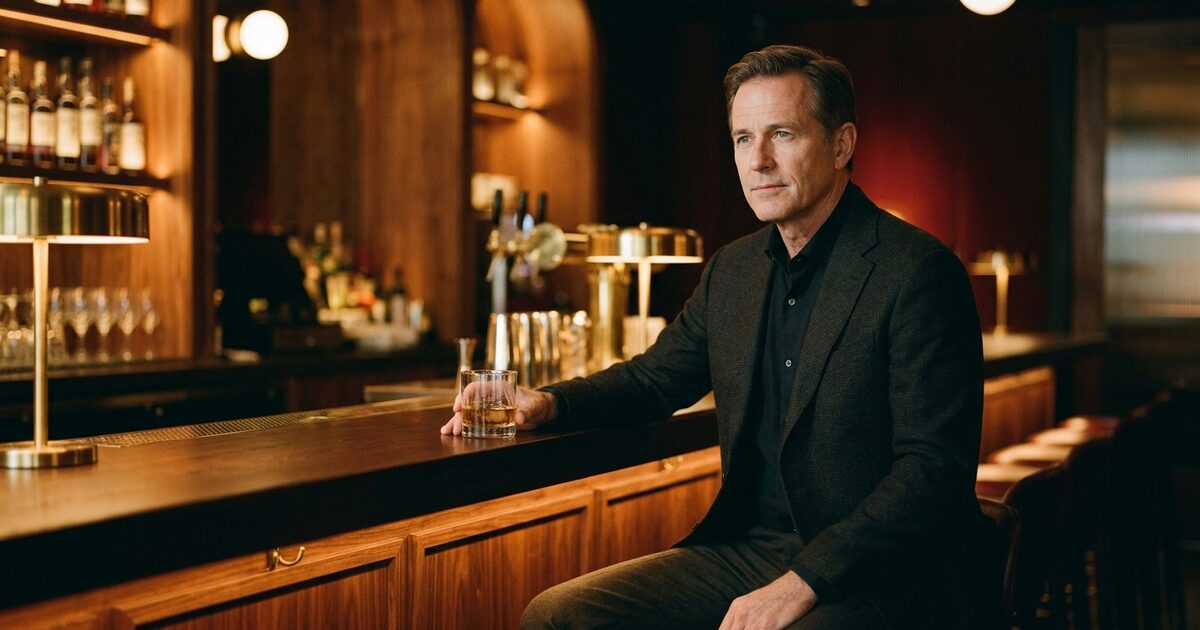
A widower starts his intake call with conviction. He knows what he wants. He has the means, the motivation, and the emotional vocabulary to describe the relationship he is ready to build. He says all the right things.
Then the preferences section begins. The quiet, specific certainty about what she has to look like, how old she has to be, what she has to represent. And suddenly, the picture shifts. This is a man trying to rewrite his last chapter rather than start a new one.
Widowers re-entering dating frequently confuse motivation with emotional availability. When grief is still active, it surfaces as highly specific physical preferences that mirror a lost partner rather than reflect genuine openness to someone new. Recognizing that pattern is the first step toward real readiness, and the intake process is where it becomes visible.
Grief Does Not Always Announce Itself at Intake
Widowed men remarry at higher rates than widowed women, and they tend to do so faster. On paper, that looks like resilience. In practice, it is more complicated.
The men who come to The Standard Agency after losing a spouse are often high-performers who have built entire lives on focused execution. They believe readiness is a decision, something you arrive at the way you close a deal or step into the next role.
Grief does not disappear on a timeline. In many cases, it relocates to other areas of a person’s life.
In the matchmaking process, it is relocated into preferences. An unresolved loss can persist for years yet remain invisible to the person carrying it. A man can be functioning at the highest level of his professional life while carrying active grief into a matchmaking intake call and genuinely not knowing it.
Many clients frame their search in forward-looking language while their preferences tell a different story. A man in his sixties pursuing women in their thirties who share the physical profile of someone he lost is expressing grief rather than attraction.
Physical Preferences Expose What Words Conceal
Darci Bohmer, Lead Matchmaker at The Standard Agency, works with clients through intake, matching, and post-date coaching. In three and a half years, she has seen this dynamic with enough consistency to name it.
“Motivation to date and find a new partner is very different than actual emotional availability. Unfortunately, this definitely does happen, where the man is, to some degree, looking to replace the loved one who has passed on. That’s when you’re getting in your own way. You can’t replace that person. You can’t.” Darci Bohmer, Senior Matchmaker, The Standard Agency
A man can be motivated. He can be ready to stop being lonely, which is not the same thing as being ready for partnership. He can have the resources, the time, and the genuine desire for connection. None of that guarantees emotional availability in the ways that actually matter.
When grief is the architect of a man’s preferences, the matchmaker’s job is to hear what he is actually saying, not just what he presents. No algorithm reads between the lines of a preference list. Apps can’t catch the emotional subtext underneath a well-articulated wish list. A skilled matchmaker does.
Men who want to understand how surface-level signals differ from what actually creates lasting connection will find that visual perfection and profile photos rarely tell the full story.
What Genuine Dating Readiness Looks Like
The single most important intake question a skilled matchmaker asks is deceptively simple: What motivates you today?
Not what you want in a partner or your idea of the perfect relationship. What gets you out of bed in the morning, and where does connection fit into that picture?
Clients who are genuinely ready give a specific kind of answer. They acknowledge that the career is built, the chapter is closing, and the next one requires something different.
Clients who are not yet there tend to talk in circles. Big-picture language, vague aspirations, everything framed around what they have already achieved rather than what they are moving toward. And then the preferences section arrives. The circles tighten into something far more specific and far more telling.
Dating after losing your spouse is a personal journey. People take it at different timelines, and it requires resolving emotional barriers before you’re fully ready.
Ready to get an honest read on where you stand before committing to the process? Start a conversation with the team from The Standard Agency about what genuine widower dating readiness looks like in practice.
How a Matchmaker Coaches Through Grief Patterns
The Standard Agency does not turn away widowed clients because grief is present. Grief is almost always present to some degree. The work is not to wait for it to disappear. It is to help a man see how grief is shaping his decisions in ways that work against him.
That means introducing a match he would have dismissed on paper. Coaching him through the discomfort of a profile that does not align with the mental image he has built over the decades. Teaching him to trust that the in-person moment, the real version of chemistry, reaches something a photograph never will.
“Sometimes we connect them with someone and show them what they said they wanted, and then reality teaches them a lot. I’m not here to completely change your mind and tell you you’re wrong. I’m here to hopefully help nudge you in the direction where you understand what I was saying to begin with at some point.” Darci Bohmer, Senior Matchmaker, The Standard Agency
Questions About Widower Dating Readiness and the Matchmaking Process
How long should a widower wait before dating again?
There is no universal timeline. What matters more than time elapsed is whether a man can pursue someone new without trying to replicate someone lost. Some men are ready within a year. Others carry unresolved grief into dating a decade later. The honest measure is emotional availability, not the calendar.
What is the difference between motivation and emotional availability for widowers?
Motivation is the desire to find a partner. Emotional availability is the capacity to actually receive one. A widower can want connection, feel lonely, and have every practical resource for dating while still being emotionally unavailable. The difference shows up most clearly in how rigid or open his preferences are and how he responds when a match challenges his mental image.
Can widowers enter elite matchmaking before they have fully processed their grief?
Yes. The goal is not to arrive grief-free. You just need enough self-awareness and openness to be coached through patterns that work against your stated objectives. Matchmakers who specialize in this client profile know how to distinguish productive grief from the kind that makes real matching impossible. They know when to challenge a preference versus when to honor it.
What makes widower re-entry into dating different from divorce re-entry?
Both involve loss, but their emotional architectures are different. Widowers often idealize the relationship they lost in ways that divorced men typically do not. That idealization can create an invisible standard no new partner could realistically meet. Recognizing that dynamic early is one of the most important things a matchmaker can do. For more on post-divorce dating, read this post about re-entry after a long marriage.
Is elite matchmaking better suited for widowers than self-directed dating?
High-touch, concierge-level matchmaking is often a stronger fit for widowers than app-based or self-directed dating. The coaching component, pre-date preparation, and post-date debrief are key components. They create a structured environment in which grief patterns can be named and addressed directly. That level of accountability does not exist on an app, and it is precisely what this population benefits from most.
What should a widower ask himself before entering the dating market?
The most useful question is direct: am I pursuing someone new, or am I trying to recover someone lost? A man who can sit honestly with that question and answer it without defensiveness is further along than most. Readiness is less about confidence and more about genuine openness to someone entirely different from the person he lost.
The Work Begins Before the First Introduction
Readiness does not come from deciding to move on. It comes from recognizing when your past still shapes your present choices. Until that shifts, you risk making all your decisions through a lens on the past rather than the future.
The Standard Agency builds its process to catch what clients cannot see on their own. The intake reveals patterns, and the coaching helps you move through them with intention. If you want clarity on your readiness, reach out to our team today.
Jim is the founder of The Standard Agency. He acquired and modernized decades-old legacy matchmaking databases to create a new standard in the industry and oversees a highly curated, national client pool with a strict vetting process that turns away roughly 25% of applicants. His work has been recognized by ValiantCEO for pioneering the concierge relationship model.
ABOUT THE EXPERT
Jim is the CEO and Owner of The Standard Agency (formerly Professional Matchmaking and Model Quality Introductions). He has transformed the legacy matchmaking industry into a modern, concierge-style service focused on coaching, transparency, and high-touch curations for affluent elites. Rejecting algorithm-driven dating apps, his agency operates on a “trust economy” model, primarily serving high-net-worth markets across the country.